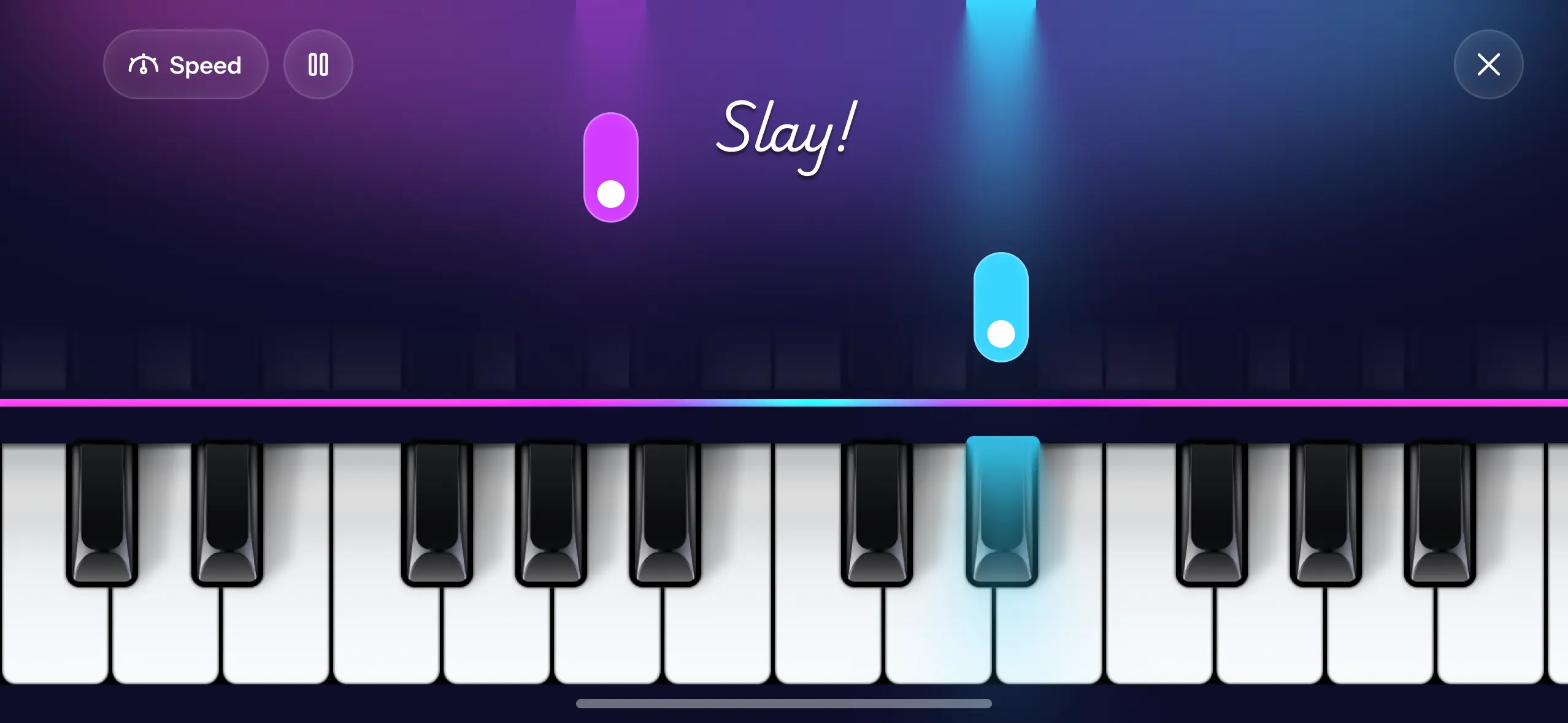
The easy piano songs worth learning first are the ones that sound harder than they are. Slow tempo, a melody people recognize in two bars, and a left hand that repeats itself. Get one of those under your fingers and it sounds like you have been playing for a year. Here are a few that punch well above their difficulty, and why they work.
What makes a song easy but impressive
Three things, mostly. A slow or steady tempo, so you are not racing your own hands. A repeating pattern in the left hand, so once you learn one bar you already know most of the song. And a melody the listener knows, because recognition does half the work of sounding good. A piece can be simple to play and still stop someone in the room. That gap between how hard it looks and how hard it actually is: that is the whole trick.
Five that sound better than they are
Fur Elise (the opening). Beethoven's most famous few bars are a rite of passage for a reason. The recognizable opening section moves one hand at a time and sits comfortably under a beginner's fingers.
Gymnopedie No. 1. Satie wrote it slow and spacious on purpose. There is time between the notes, which is exactly what a beginner needs, and it sounds like a film score.
Clair de Lune (the first phrases). The full piece is genuinely hard, but the opening phrases are gentle and gorgeous, and they are the part everyone recognizes.
Canon in D. Pachelbel's chord pattern repeats the whole way through, so the left hand becomes muscle memory fast while the right hand carries the tune.
Greensleeves. A folk melody that has survived for centuries because it is both simple and haunting. Easy to start, satisfying to finish.
You can play all of these in Piano Aura's Piano Game, where they are copyright-free, by following the notes as they fall instead of reading a score.